How to Optimize for AI-Driven Search in 2026
I have seen many waves of change in digital marketing, but the current transformation with generative AI search stands out from anything that came before. I remember the early anxiety when Google SGE, ChatGPT, Perplexity, and Gemini started rolling out their new search experiences. Conversations with friends in the industry quickly shifted. It was no longer about jostling for traditional blue links. Instead, we all found ourselves asking if our content was being referenced and displayed in those quick AI summaries that shaped the first impressions for so many users.
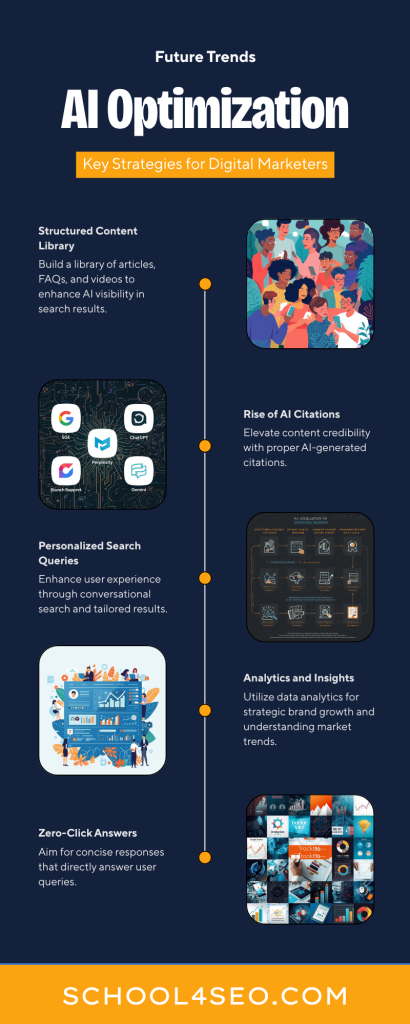
Rise of Generative AI Search
Watching the old search patterns fade and new ones rise has been both challenging and exciting. I talk with colleagues who used to obsess over keyword positions, only to find those wins less meaningful now. These days, citations and references in AI-generated results tell a more important story. I’ve lost track of how many times I’ve watched someone’s traffic vanish, only to see a new competitor suddenly dominate all the AI-driven answer boxes, thanks to tidier, user-focused content. The lesson keeps repeating itself: context and authority have finally taken center stage, and those who update their approach early don’t get left behind.
How to Create a Content Library for AI Overviews
Building out our own content library was an education in itself. It wasn’t enough to keep piling up new articles. I realized that the strongest performers in our space were building meticulously organized knowledge bases. They thought about every related question or problem their audience might face. I started mapping out not just high-traffic search terms, but also the deeper, intent-driven topics I thought AI would pick up for summaries and direct answers.
We paid attention to details that used to feel minor. Our team now loves bullet points, direct headlines, clear lists, and well-labeled sections. I’ve found that AI engines reward this kind of structure. Metadata and schema aren’t just technical flourishes anymore; they are critical cues for AI to understand what matters in our library. I review the library every month and obsessively update it when a new question trends in our niche. Those updates have paid off, time and again, by keeping us prominent in these new generative search environments.
Optimizing for Conversational and Zero-Click Search
The rise of zero-click search hit my team hard at first, but I quickly recognized the upside. Even without a direct click, being featured in those AI-driven results brought new trust and authority for our brand. I’ve adapted our content style to focus much more on natural language. We answer questions in the same way our real users might ask them. I think a lot about how I can be genuinely helpful, not just factual. It takes more empathy, and sometimes more creativity, to provide answers that are both complete and conversational.
We now target longer, more specific search phrases. I tell my writers not to chase volume, but to provide clarity. My voice search data shows the benefit: those clear, direct answers often get featured by AI, especially when users are talking and not just typing. I’ve seen clients and friends thrive when they focus on helping, not just selling or ranking. Over time, that trust forms a feedback loop with the AI engines that decide who gets quoted.
Tracking and Influencing Brand and AI Mentions
Monitoring brand mentions is a daily practice for me now. I rely on tools like Brand24 to see where our expertise is popping up. I talk to peers about their experiences, and I’ve noticed those who get cited most often are the same ones nurturing relationships in their industries and investing in expert-driven, up-to-date content.
I see clear patterns in how these mentions accumulate. People who do podcasts, contribute to industry blogs, and collaborate with digital creators have a clear edge because their names and insights are everywhere. I always recommend embracing structured data and making expertise easy to find. Outreach, updates, and authority-building are no longer optional. They make the difference between being a trusted resource and being invisible.
Verdict
If you are gearing up for 2026, I suggest watching what the leaders in your space are doing and learning from every citation, every featured answer, and even every setback. Stand back and ask if your content truly answers questions or just tries to chase trends. I have found that the brands willing to rethink old habits, embrace structured knowledge, and make themselves truly useful are the ones who keep showing up when AI engines decide what matters most.